










Yale School of Medicine is a testing site for a potential new congenital ichthyosis treatment.
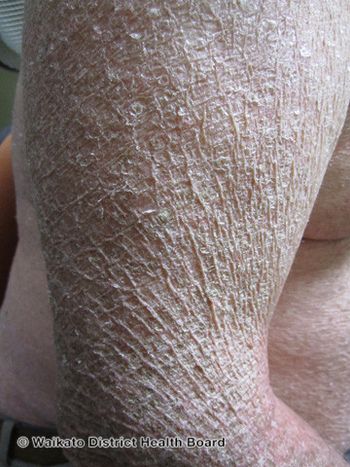
Yale School of Medicine is a testing site for a potential new congenital ichthyosis treatment.

Today is Rare Disease Day. The Food and Drug Administration (FDA) defined a rare disease as a condition affecting less than 200,000 people in the United States.

The autoinflammatory condition is associated with mutations in the NOD2 gene and usually affects children younger than 4 years.

Researchers have linked the neurodegenerative disorder to several autoimmune diseases, including the rare skin condition bullous pemphigoid.

Granulomatous dermatitis includes a group of reactive dermatologic disorders characterized by distinct histopathological patterns, clinical manifestations, and associated diseases.
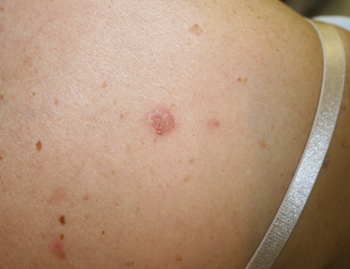
Pemphigus is defined as a group of autoimmune, blistering disorders caused by circulating autoantibodies that bind to desmogleins, proteins that are vital to epidermal intercellular adhesion.

Preventing generalized pustular psoriasis may be possible based on recent data.

An expert dermatologist reviews generalized pustular psoriasis in 2 patients and how he would approach treatment and management.

Arthritis mutilans, often called resorptive arthritis, is the most severe and rare form of psoriatic arthritis, affecting only about 5-16% of patients.

Erythrodermic psoriasis, affecting about 1-2% of psoriatic patients, is a rare, potentially life-threatening variant of psoriasis.

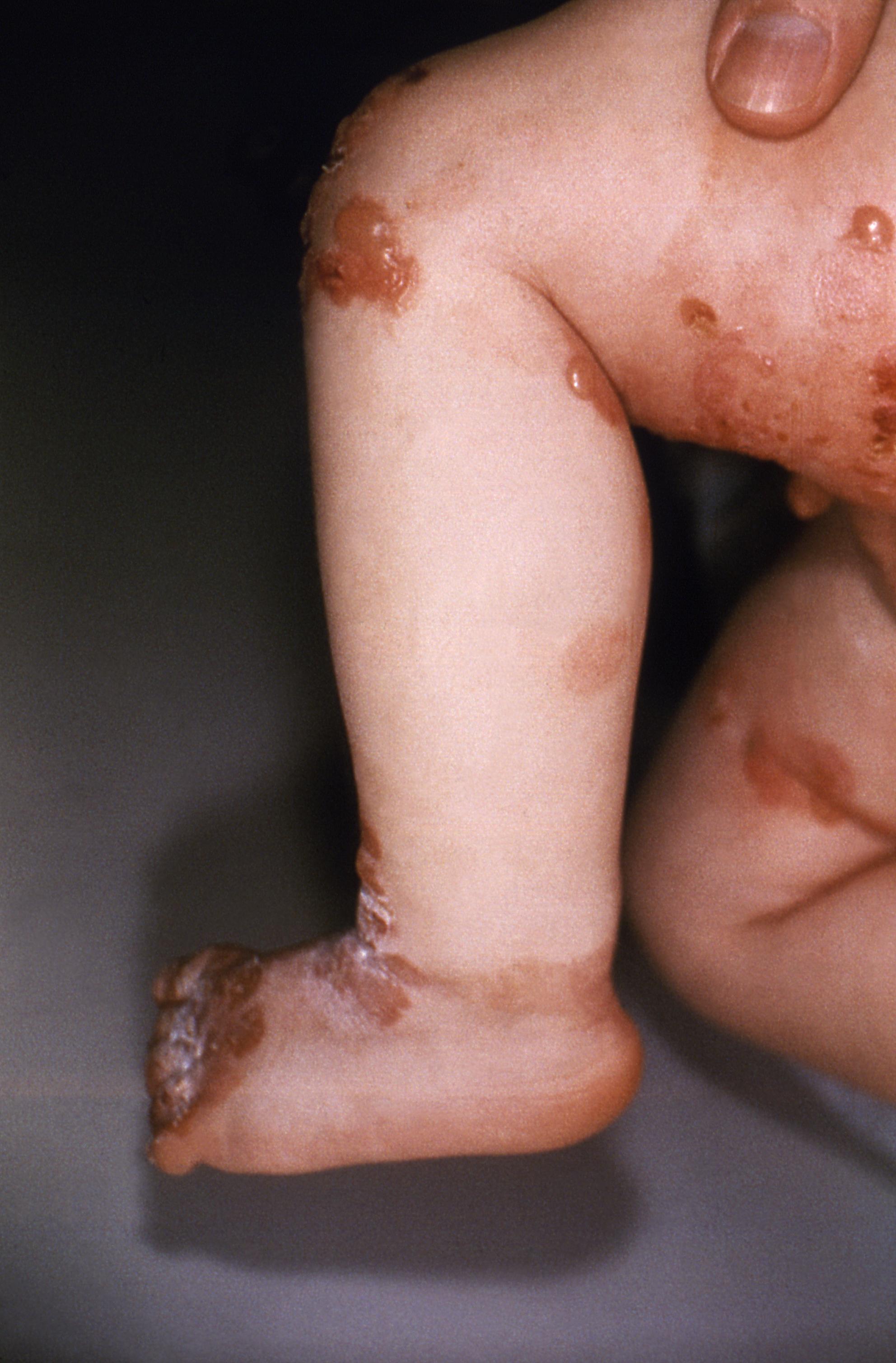
Harlequin ichthyosis is a rare skin disorder with thick, large, plate-like scales over the entire body that later develop into erythroderma.

Pustular psoriasis (PP) is a rare and potentially serious inflammatory skin disorder affecting about 1% of patients with psoriasis.
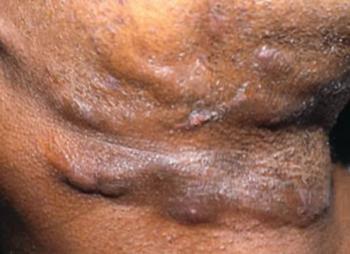
Hidradenitis suppurativa is a chronic inflammatory skin condition that presents with painful, deep, and inflamed lesions found in flexural, apocrine gland-bearing sites.

Argyria is a rare dermatologic condition that presents with blue or grey mucocutaneous discoloration following cutaneous exposure or ingestion of silver.

ICYMI, this week we had stories about blastic plasmacytoid dendritic cell neoplasm, epidermolysis bullosa, an interview with Seth Matarasso, MD, and more.
Epidermolysis bullosa is a broad term used to identify a group of genetic disorders that result in skin blistering and fragility.

Erythropoietic protoporphyria (EPP) is a life-long and debilitating disorder resulting from defects in the enzymes in heme synthesis. Patients with the disease are cast indoors due to extreme photosensitivity.

MD is a type of delusional parasitosis where patients report that their skin contains parasites, toxins, fibers, or other foreign material.

Click here to answer this week's poll.

Amryt Pharma’s phase 3 trial, EASE, is the largest phase 3 trial in epidermolysis bullosa.
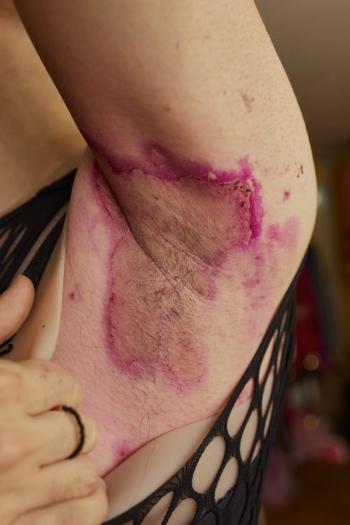
At the 2022 Fall Clinical Dermatology Conference, Joslyn R. Sciacca Kirby, MD, MS, MEd, and Raj Chovatiya, MD, PhD, discussed how there is a large unmet need for hidradenitis suppurativa treatment and what future treatment could look like.

Aaron Farberg, MD, presents study data and efficacy of spesolimab for the treatment of generalized pustular psoriasis at the 2022 Fall Clinical Dermatology Conference.

At the 2022 Fall Clinical Dermatology Conference, a look at the latest treatments for monkeypox, HIV, and more.
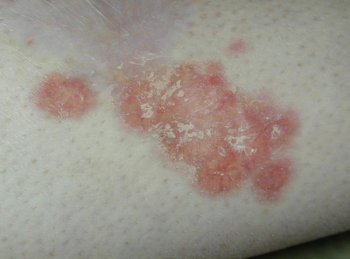
How to diagnose and treat this rare skin disorder.

Patients with generalized pustular psoriasis flares were 2 times more likely to have emergency department visits.