

Feature|Articles|February 9, 2026
- Dermatology Times, February 2026 (Vol. 47. No. 02)
- Volume 47
- Issue 02
Phase 3 Results Signal a New Era for Oral Targeted Therapy in Psoriasis
Listen
0:00 / 0:00
Key Takeaways
- Two large randomized, double-blind phase 3 trials met co–primary endpoints at week 16, demonstrating superiority versus placebo and apremilast for PASI 75 and sPGA 0/1.
- Depth of response was notable for an oral agent, with approximately half achieving PASI 90 and about one-third achieving PASI 100 by week 16.
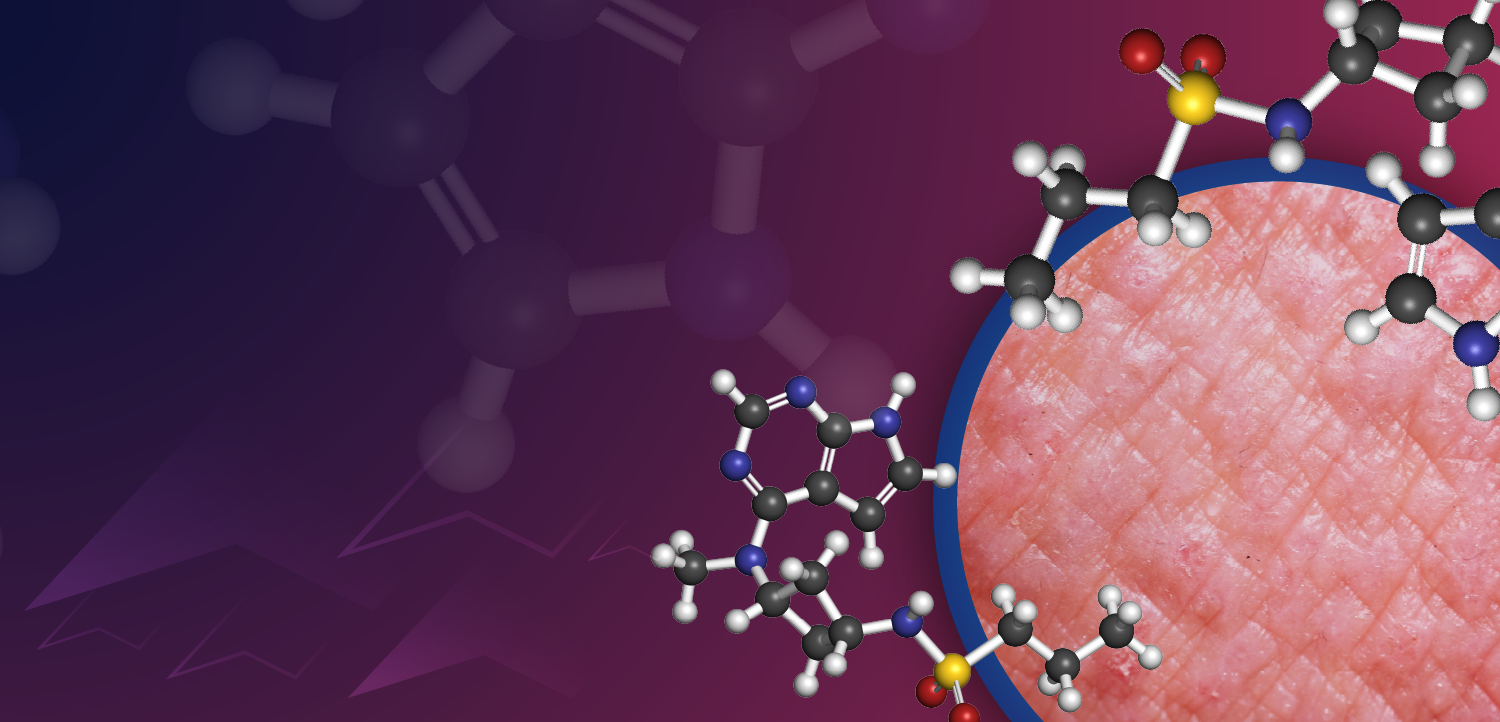
Takeda’s recent announcement of positive top-line phase 3 results for zasocitinib (TAK-279) places this investigational agent squarely within that evolving conversation.
Advertisement
Biologic therapies targeting tumor necrosis factor, IL-17, and IL-23 have set increasingly high benchmarks for skin clearance in psoriasis, whereas oral systemic agents have traditionally been viewed as having more modest efficacy or limited by tolerability concerns.1 The emergence of selective tyrosine kinase 2 (TYK2) inhibitors has generated considerable interest among clinicians seeking oral options that approach biologic-level outcomes. Takeda’s recent announcement of positive top-line phase 3 results for zasocitinib (TAK-279) places this investigational agent squarely within that evolving conversation.2
Study Methods and Findings
Zasocitinib was evaluated in 2 large, global, randomized, double-blind phase 3 trials in adults with moderate to severe plaque psoriasis. Both studies were placebo- and active comparator–controlled, using apremilast as the oral comparator. According to Takeda, the trials met their co–primary end points of Psoriasis Area and Severity Index (PASI) 75 and static Physician Global Assessment (sPGA) 0/1 at week 16. Importantly, all 44 ranked secondary end points were also met, including higher thresholds of response such as PASI 90, PASI 100, and sPGA 0 vs both placebo and apremilast.
“2025 is ending, and 2026 is starting with a major bang in dermatology. The long-awaited phase 3 clinical trial results from the next-generation TYK2 inhibitor zasocitinib are here. The results delivered in a big way. This oral daily therapy achieved PASI 90 in over 50% of patients by week 16, and PASI 100 in around 30% of patients by week 16,” said Christopher G. Bunick, MD, PhD, associate professor of dermatology at Yale School of Medicine in New Haven, Connecticut, and Dermatology Times editor in chief, in an exclusive statement.
“This positions zasocitinib to potentially be the best oral therapy in plaque psoriasis. I look forward to learning more details on zasocitinib’s phase 3 trials that will be shared at upcoming congresses in 2026.”
Although full data sets have yet to be presented, Takeda has disclosed several efficacy signals that are likely to resonate with practicing dermatologists. At week 16, approximately 50% of patients treated with zasocitinib achieved PASI 90—clear or almost clear skin—while approximately 30% achieved PASI 100, indicating complete clearance. Responses were observed early on, with PASI 75 superiority over placebo evident as soon as week 4 and continuing to increase through week 24.
Safety and Tolerability
Safety remains a central consideration, particularly given broader class concerns surrounding Janus kinase (JAK) inhibition. Zasocitinib is designed to selectively inhibit TYK2 without impacting JAK1, JAK2, or JAK3 signaling, a distinction that may have important clinical implications. In the phase 3 psoriasis program, the safety profile through week 24 was reported as consistent with that of prior studies, including phase 2 trials.
Speaking in an interview with Dermatology Times, Graham Heap, PhD, vice president and head of the TYK2 franchise at Takeda, said, “The safety [profile] we saw was consistent with what we’d seen in prior trials…and really, we didn’t identify any new safety signals, which was great for us.” Although this is reassuring, long-term safety data will be critical, particularly as TYK2 inhibitors move toward broader and potentially earlier use in the treatment algorithm.
Clinical Implications
In addition to efficacy and safety, access and patient preference remain key factors in determining treatment selection in real-world practice. Despite the availability of highly effective biologics, only a fraction of patients with moderate to severe psoriasis currently receive advanced systemic therapies. Oral targeted agents may help to address this gap, particularly for patients who are reluctant to initiate injectable treatments or who face logistical barriers to in-office administration.
Heap reflected on this unmet need when discussing where zasocitinib might fit in the treatment paradigm: “One of the things we continue to hear from both patients and physicians is [that] people want convenient, safe, or effective oral therapies. We know that about a third of patients who have moderate to severe psoriasis currently get access to advanced therapies.” He added that although the data are still top line and the drug remains investigational, “we think the data [are] very promising, and it really speaks to the promise of zasocitinib to be one of these leading oral therapies in the future.”
Conclusion
For clinicians, zasocitinib’s phase 3 results raise optimism and important questions. The top-line efficacy signals are compelling, particularly for an oral agent; however, careful scrutiny of the full data sets will be necessary to determine how this therapy compares with existing and upcoming options across diverse patient populations. Long-term safety, durability of response, and real-world effectiveness will ultimately shape its role in clinical practice.
As Heap concluded, “The promise of TYK2 started long ago…and the data we’re now starting to share are very promising, and it starts to suggest that this really could be a leading option for patients in the future, if approved.” For now, zasocitinib stands as a closely watched candidate in the ongoing evolution of psoriasis care—one that may further expand the boundaries of what oral targeted therapy can achieve.
References
1. Potestio L, Tommasino N, D’Agostino M, et al. Biologics and small molecules for psoriasis: current and future progress. Drugs Context. 2025;14:2025-8-4. doi:10.7573/dic.2025-8-4
2. Takeda’s zasocitinib landmark phase 3 plaque psoriasis data show promise to deliver clear skin in a once-daily pill, catalyzing a new era of treatment. News release. Takeda. December 18, 2025. Accessed January 13, 2026. https://www.takeda.com/newsroom/newsreleases/2025/takeda-zasocitinib-phase-3-plaque-psoriasis-data-once-daily-pill/
Newsletter
Like what you’re reading? Subscribe to Dermatology Times for weekly updates on therapies, innovations, and real-world practice tips.
Advertisement
Related Content
Advertisement

Latest CME





Advertisement
Advertisement
Trending on Dermatology Times
1
Christopher Bunick, MD, PhD, on Expanding Targets in Inflammatory Skin Disease
2
Raising the Bar for HS Outcomes With Barry Resnik, MD
3
GLP-1s and Skin Health: Clinical Pearls From Gold and Lal
4
Mona Shahriari, MD, FAAD, on OX40-Targeted Therapy in AD
5