






Skin cancer is on the rise. Knowing what teenagers and adolescents understand about protecting skin from the sun and how well they’re using that information can be important to changing that trend.
Skin cancer is on the rise. Knowing what teenagers and adolescents understand about protecting skin from the sun and how well they’re using that information can be important to changing that trend.
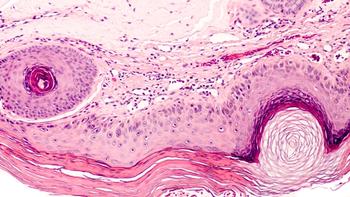
Brian Berman, MD, PhD, maps the root causes, prevention strategies, and latest treatments for this widespread precancer at 2021 Fall Clinical Dermatology Conference for PAs & NPs.

Data from a pilot study on a new prototype photodynamic therapy device for BCC was shown at the EADV Congress.

Case-based observations offered clinicians real-world guidance on distinguishing underlying malignancies in the Therapeutic Hotline session at Maui Derm NP+PA Fall 2021.

At Maui Derm NP+PA Fall 2021, George Martin, MD, discussed his opinion on best treatment options for SCC in situ and cutaneous SCC at high risk for metastasis along with BCC that require special considerations.
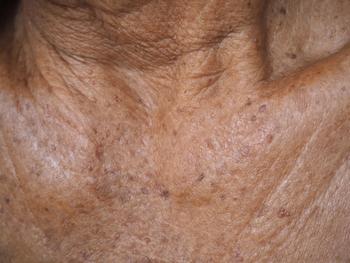
A review of the American Academy of Dermatology guidelines and current treatment improvements for actinic keratosis were discussed during a presentation at Maui Derm NP+PA Fall 2021.

The overgrowth of fungi could cause the immune system to stop fighting cancer, according to a study.

The topical HDAC inhibitor remetinostat demonstrated favorable tolerability and clinically significant efficacy in reducing disease burden in patients with basal cell carcinoma, according to results from a phase 2 trial.

New study data shows positive data for Image-Guided Superficial Radiotherapy (IGSRT) in treating basal cell carcinoma and squamous cell carcinoma.

Skin cancer rates have been increasing worldwide, and climate change factors – like depleting ozone layers – may be a factor.

It has been 20 years since the FDA approved a new sunscreen filter. However, a recent study evaluating curcumin could change that.
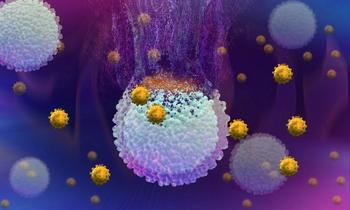
There are an increasing number of novel immunotherapies available for patients with skin cancer, however, their numerous adverse events must be addressed.
Part 1 of Dermatology Times®’ coverage of a strategic look at superficial radiation therapy (SRT) presented at the recent Music City SCALE Symposium for Cosmetic Advances & Laser Education 16th Annual Meeting in Nashville, Tennessee, showcases this therapy’s efficacy in treating keratinocytic skin cancers.

Curcumin has a long history as an effective treatment for everything from chronic pain to skin infections. Nanoparticle encapsulation shows promise in meeting that challenge and opening the way for a safe, effective adjuvant to sunscreen.
A phase 2 clinical trial on remetinostat for the treatment of BCC in adult patients has been published in the Clinical Cancer Research journal and shows promising results.

In this video interview, David Light, CEO of Valisure, shares his thoughts on the recent sunscreen recall from Johnson & Johnson due to benzene contamination and reveals how the FDA and sun protection companies can make sure this never happens again.

In this exclusive video interview, Christopher Bunick, MD, PhD, gives Dermatology Times an update on benzene contamination being detected in various sunscreens and after-sun care products, as well as a recent recall by Johnson & Johnson.
Christopher Bunick, MD, PhD, provides an update on benzene contamination in sunscreen, including a recent recall from Johnson & Johnson.
The FDA has expanded the label for pembrolizumab for use as a monotherapy in the treatment of patients with locally advanced cutaneous squamous cell carcinoma that is not curable by surgery or radiation.

The European Commission has approved cemiplimab for the treatment of locally advanced or metastatic basal cell carcinoma in adults.

In this video interview, Ted Lain, MD, discusses the causes and effects of actinic keratosis, as well as the unmet needs, how to diagnose, and what treatments are currently available.

In this exclusive interview, Ted Lain, MD, dives into the management of field cancerization, including its biggest challenges, available and emerging treatment options, tips on treatment approach, and more.

The Journal of the American Academy of Dermatology has published new recommendations for the treatment of actinic keratosis (AK).

New regulations, latest absorption data, and updates on environmental and health impacts are shaping the world of photoprotection.
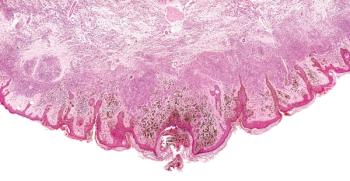
BCC, SCC treatments take advantage of refinements in established techniques and new technology.