

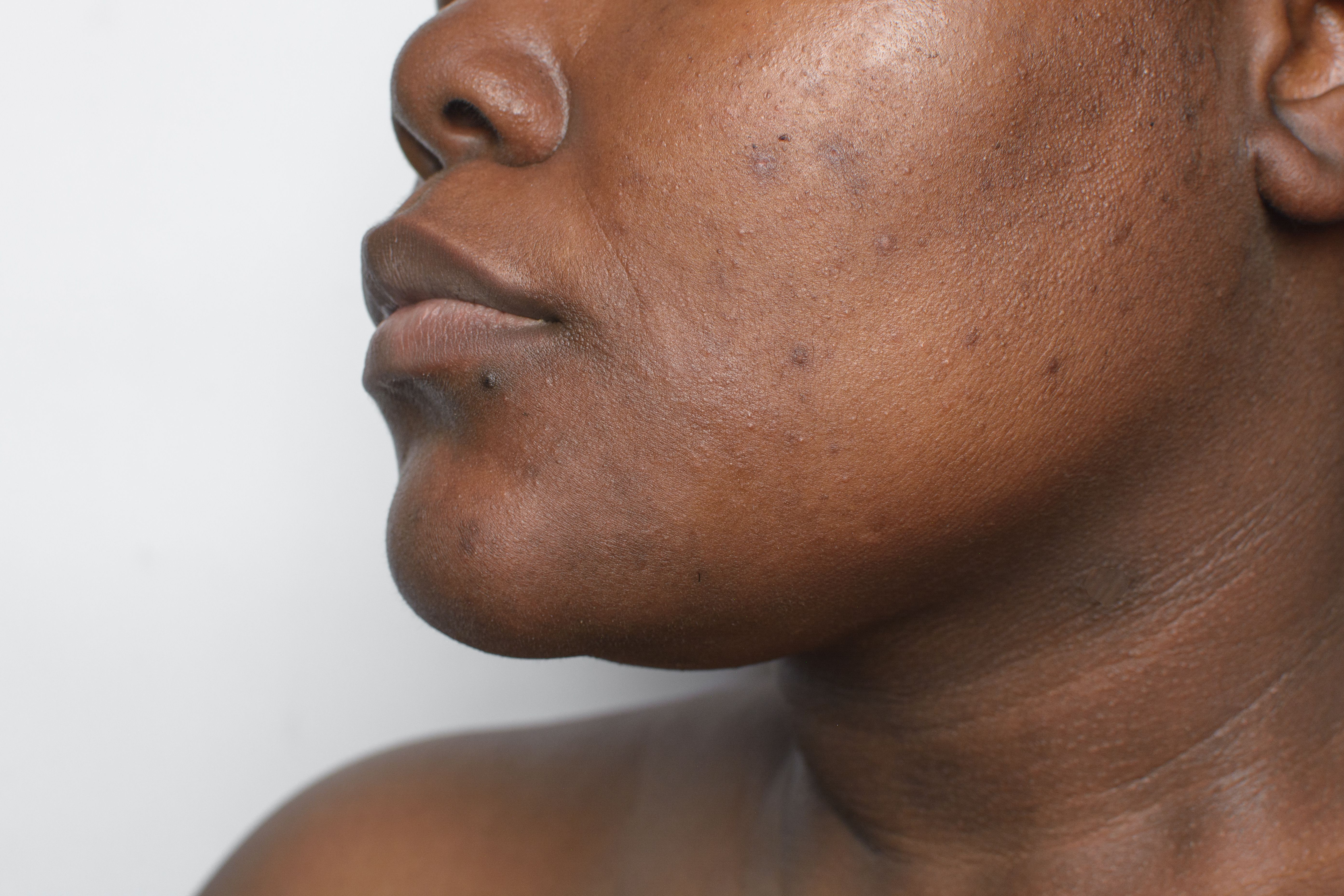










The picosecond system has previously been approved for treating acne scarring, pigmented lesions, tattoo removal, and wrinkles.
The picosecond system has previously been approved for treating acne scarring, pigmented lesions, tattoo removal, and wrinkles.

At the 2022 Fall Clinical Dermatology Conference, 5 practitioners share their best tips for treating their patients

Pigmentary disorders of the skin can be the cause of significant psychological distress in affected patients.

In this week’s Pointers with Dr Portela, the 208SkinDoc gives his skin discoloration treatment tips.
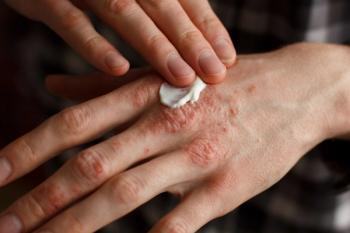
At the SDPA 2022 Annual Summer Dermatology Conference, a session on both common and rare dermatological disorders.

Ruxolitinib cream 1.5% may soon be the first FDA-approved treatment for repigmentation of vitiligo. Experts share what dermatologists need to know regarding efficacy, safety, and cost of this topical drug.

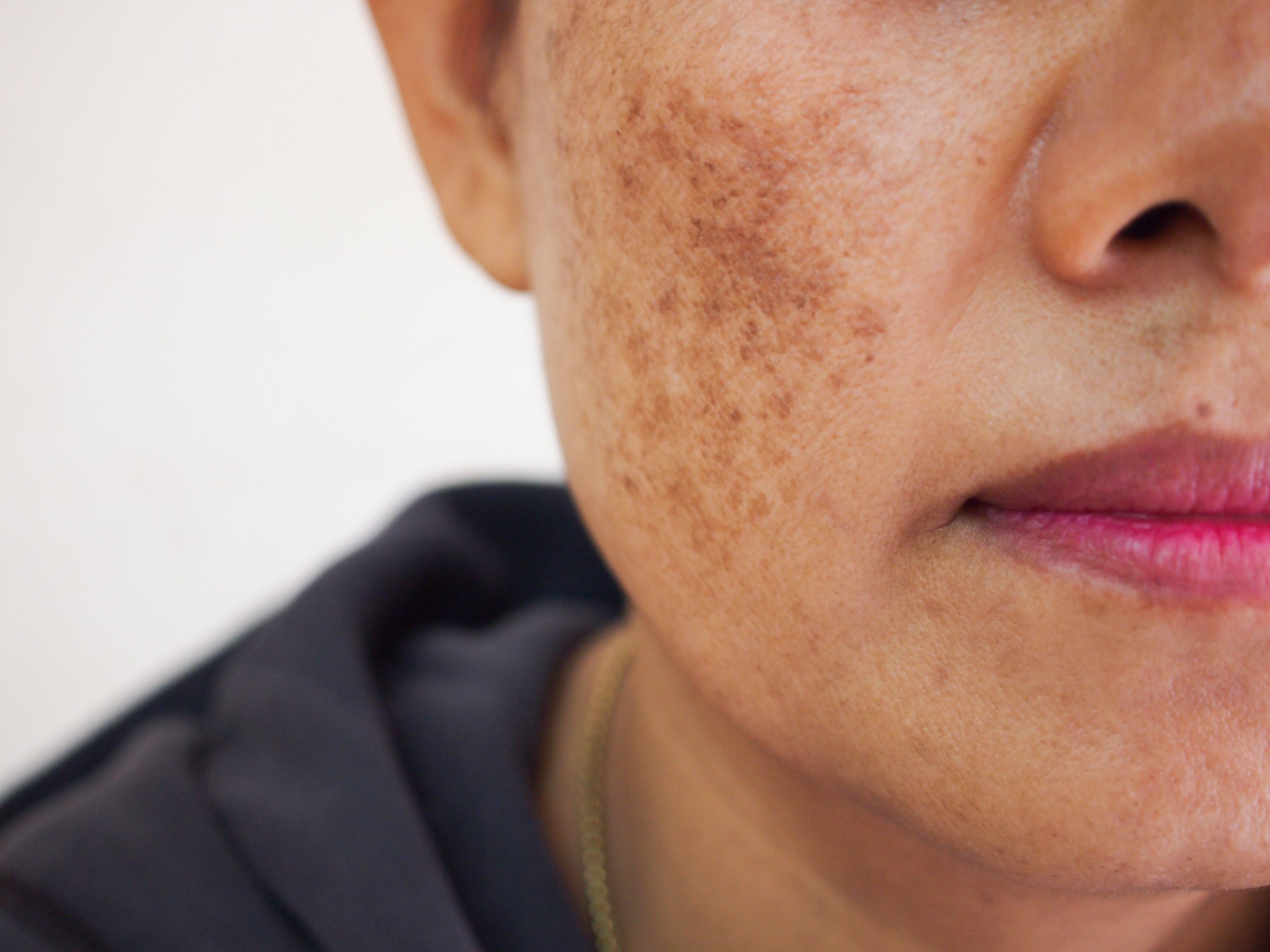
The skincare manufacturer and distributer announced that it has received patents for hair growth and melasma.

VisualDX uses diverse imagery to help increase knowledge of disease manifestations in a range of skin types.

In a presentation at the current AAD annual meeting, experts discussed differential diagnoses and clinical presentations in birthmarks and hamartomas.

Investigator Loren Krueger, MD, urges dermatologists to recognize and correct disparities in clinical decision-making, particularly regarding skin cancer.

Unsafe and toxic skin-whitening products continue to draw fire.

Suneel Chilukuri, MD, discusses new innovations in dermatology, including hyperpigmentation, in his presentation at the Maui Derm for Dermatologists meeting.

Hyperpigmentation requires dermatologists to take a multimodal approach and be familiar with a menu of treatments, according to a presentation given at Maui Derm for Dermatologists 2022, held January 24 to 28, 2022 in Maui Hawaii, and virtual.

The Skin of Color Society released an article detailing its 2021 achievements, containing what the society considers its most active and successful year.

Long underserved by a narrow armamentarium, patients with pigmentary disorders could soon see a new wave of oral and topical solutions to treat even the most challenging cases.

This episode of The Cutaneous Connection podcast, sponsored by Incyte, explores the world of vitiligo. From symptoms to current treatment dissatisfaction and the latest research, Pearl Grimes, MD, FAAD, explains where we are now with this pigmentary disorder and where we are headed.

Treating dermatologic conditions in skin of color requires cultural awareness and sensitivity, in addition to being aware of how presentation may differ.

In this exclusive video interview with Dermatology Times, Michael Gold, MD, tells us about his session at the New Frontiers in Cosmetic Medicine and Medical Dermatology Symposium.

Racial disparities in antibiotic prescription also influence treatment decisions.
Investigators reported a significant difference in the expansion rate of the skin lesion area in patients with vitiligo in just 3 months of treatment.
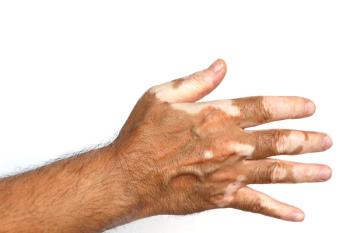
Investigators write that methods such as dermatoscopy can result in early recognition of unstable patches and lead to appropriate medical treatment for patients with vitiligo.
A new study showed about half of all vitiligo patients from a care system were burdened with the sleeping disorder.
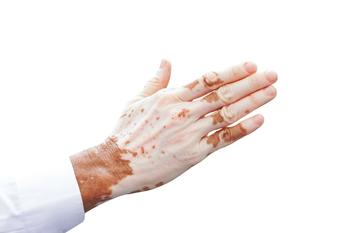
In this first part of our coverage of “The Skin of Color Update Pre-Conference Virtual Symposium” held August 3, we review challenging cases of melasma, vitiligo, and post-inflammatory hyperpigmentation in skin of color patients.

Camp Wonder, a camp that supports kids with skin disease and is sponsored by Galderma, is celebrating their 20th year of operations this week.
Arcutis Biotherapeutics announced early termination of its phase 2a trial evaluating ARQ-252 as a potential treatment for vitiligo citing to inadequate local drug delivery to the skin.