

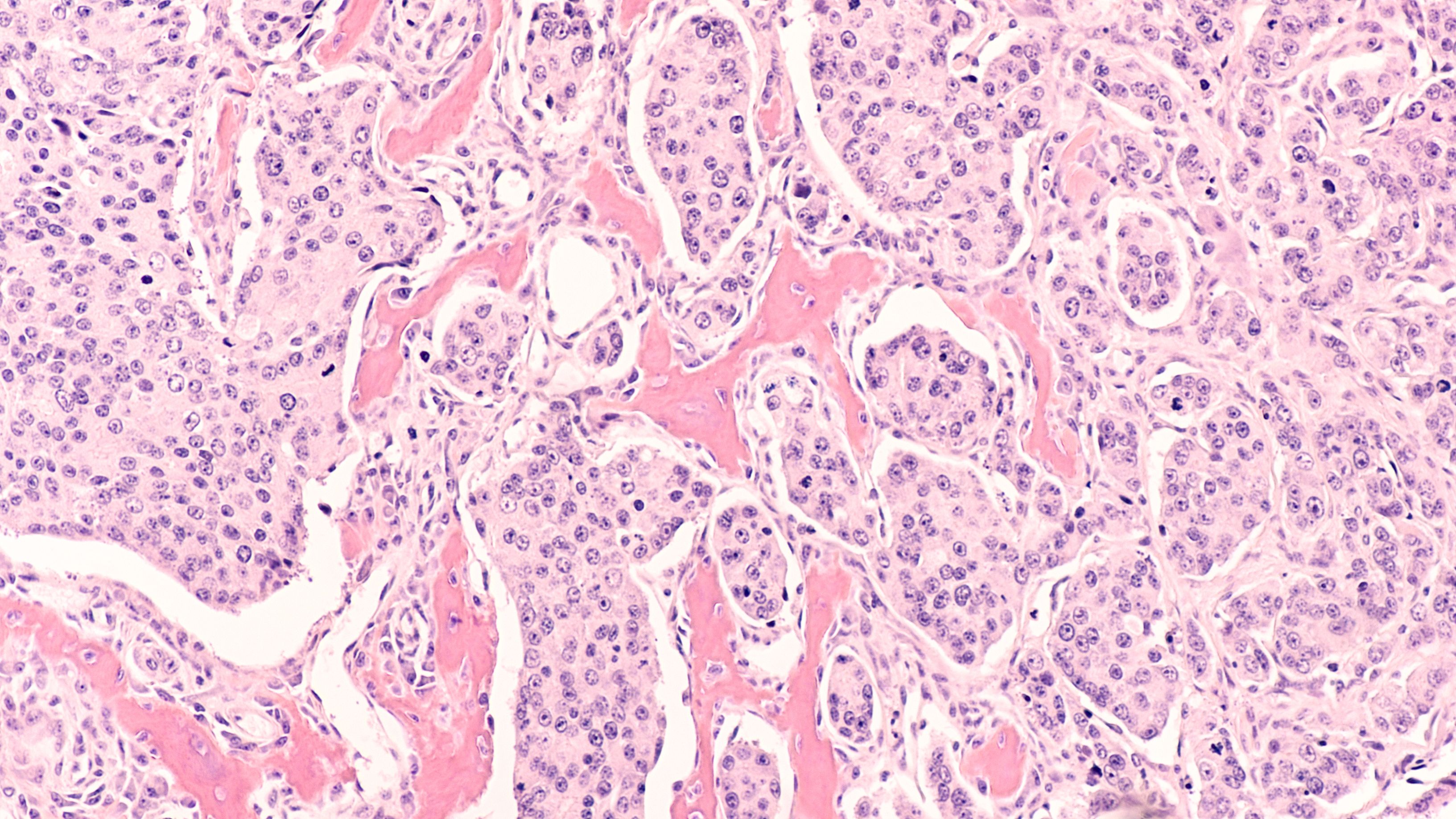












In part 2 of this skin cancer report from the American Academy of Dermatology Virtual Meeting Experience 2021 (AAD VMX), an expert shares pearls on regular medication reviews.
In part 2 of this skin cancer report from the American Academy of Dermatology Virtual Meeting Experience 2021 (AAD VMX), an expert shares pearls on regular medication reviews.
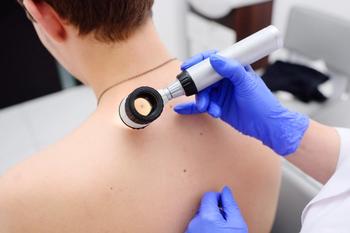
More detailed tumor classifications, patient data advance surveillance strategies for the high-risk patient population.

With the summer months quickly approaching, we’re discussing the importance of skin cancer screenings, as well as encouraging regular sun protection usage among patients. This episode also touches on the role of telemedicine in skin cancer screenings, top product recommendations for sun protection and tips on managing patient expectations if the patient is diagnosed with skin cancer.

Michael A. Davies, MD, PhD, discusses how he currently approaches treatment for patients advanced BRAF-mutant melanoma as well as exciting areas of current research to address ongoing questions in the community.

The FDA has granted an orphan drug designation to the orally bioavailable, highly-specific G protein-coupled estrogen receptor agonist LNS8801 for the treatment of patients with metastatic uveal melanoma.
Treatment pairing dabrafenib and trametinib could have expanded benefits for patients with melanoma.

Diagnosis, risk assessment and treatment of congenital melanocytic nevi (CMN), as well as melanoma, require specific strategies for pediatric patients.

A recent study found states' Medicare per-beneficiary spending between actinic keratosis and skin cancer differs widely.

Neelam Vashi, MD, FAAD, explains the results of her cross-sectional survey investigating melanoma awareness among different racial and ethnic groups.

Recently, PRAME (preferentially expressed antigen in melanoma) immunohistochemical staining has shown its usefulness in distinguishing benign from malignant melanocytic cell populations, offering another color to the canvas in the quest for a more definitive diagnosis of melanoma.

While Mohs micrographic surgery is well established as a safe and effective therapeutic modality in adult patients, it is not as commonly used in pediatric populations. There are unique challenges to performing Mohs surgery on pediatric patients, especially with patient cooperation. Multidisciplinary planning may be needed.
Neelam Vashi, M.D., FAAD, discusses the publication of her cross-sectional survey in the Journal of the American Academy of Dermatology regarding how different racial and ethnic groups possess various levels of melanoma awareness.

With an estimated 5-year survival rate of 50% and an ongoing issue of resistance, next steps with immunotherapy in melanoma will focus on stratifying patients, personalizing therapy, and refining localized regimens.

Researchers conducted a critical appraisal of a systematic review of six different smartphone apps and found little evidence that they are effective in self-monitoring or skin cancer detection, according to a recent study.

Michelle Nguyen, M.D., MPH, sits down with Dermatology Times to discuss her recent presentation at the 2020 American Society for Dermatologic Surgery (ASDS) virtual meeting regarding the representation of women dermatologic surgeons in the U.S.

Performing reflectance confocal microscopy (RCM) with a mosaic technique before surgery can improve margin mapping in melanoma in situ (MIS), according to a recent study presented at 2020 ASDS Virtual Annual Meeting.

Today's universal improvement in melanoma survival is encouraging. But the reality is racial disparities aren’t going away and in some cases are getting worse.
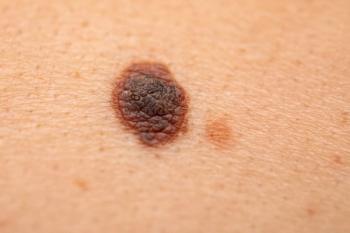
A new descriptor may help providers to differentiate melanoma from benign lesions, says authors of a recent study.

A recent survey shows that many consumers are confused about sunscreen labeling claims regarding sun protection factor (SPF), allergenicity and other features.
Novartis announces their phase 3 study investigating spartalizumab (PDR001) in combination with dabrafenib (Tafinlar) and trametinib (Mekinist) failed to meet its primary endpoint.

Recruiting is ongoing for an investigator-initiated clinical trial of pembrolizumab in clinical stage 2B/C melanoma which will investigate the effects of treatment with pembrolizumab before surgery to remove melanoma on the rate of positive sentinel lymph nodes in patients with stage IIB/C melanoma.

Leveraging artificial intelligence as an assistive tool could open up opportunities for streamlining melanoma diagnosis, expanding practice scope, and enhancing patient care.
The International Skin Imaging Collaboration is an academic and industry partnership designed to facilitate the clinical application of digital skin imaging, with an initial focus on melanoma. The group is developing standards for dermatologic imaging and building a public archive of clinical and dermoscopic images for use in developing artificial intelligence diagnostic algorithms.

Findings from a survey of college students examining beliefs about UV exposure and sunscreen use and their associations with skin cancer risk and UV protective behaviors provide some insights for patient counseling.
The U.S. Food and Drug Administration has approved atezolizumab plus cobimetinib and vemurafenib for treatment of BRAF V600 mutation-positive advanced melanoma. Studies show the combination treatment prolonged patients’ lives by 15 months without disease worsening.