

News|Articles|December 2, 2025
Syrian Study Confirms Isotretinoin’s Effectiveness in Acne Treatment
Listen
0:00 / 0:00
Key Takeaways
- Isotretinoin is effective for acne, with 93.9% of participants reporting improvement, but adherence is higher with dermatologist supervision.
- Psychological symptoms, including anxiety and depression, were reported by 56.3% of isotretinoin users, highlighting the need for mental health monitoring.
However, over half of the patients reported experiencing psychological symptoms such as mood changes and depression during treatment.
Advertisement
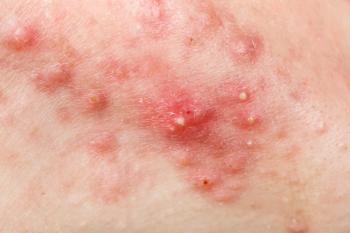
Acne vulgaris remains a prevalent dermatological concern, particularly among young adults, often prompting the use of potent systemic therapies like isotretinoin. Its well-documented efficacy in managing moderate to severe cases is accompanied by a spectrum of potential adverse effects, both physical and psychological.1 A recent cross-sectional study from Syria offers valuable insights into these under-researched aspects within a real-world, low-resource setting.2
Methods and Materials
Conducted by researchers Barakat et al, the study assessed the effectiveness and adverse effects of isotretinoin among 377 participants across Syria. The sample primarily consisted of women aged 21 to 25, reflecting the demographic most affected by acne and its psychosocial impacts. Most participants had moderate to severe acne, and a significant majority (89.1%) reported previous or ongoing use of isotretinoin.
Authors describe their primary goal: "This study aims to evaluate the effectiveness of isotretinoin in the treatment of acne, while also monitoring its associated physical and psychological adverse effects." The researchers employed an online questionnaire, developed through expert review, which captured demographic data, acne severity, treatment duration, adherence levels, and adverse effects, including mental health symptoms.
Efficacy Findings
The results reinforce what clinicians have long observed: isotretinoin remains highly effective for acne management. An impressive 93.9% of participants reported overall improvement in their skin condition, with 74.5% describing this improvement as marked. Despite the positive outcomes, the report also nuanced this success with considerations of adherence. Data showed that patients who obtained their treatment through dermatologists exhibited higher adherence rates than those relying on the internet or non-medical sources (p < 0.001), underscoring the importance of professional medical supervision in ensuring optimal results.
Adverse Effects
While the physical adverse effects such as dry skin, lip cracking, and mucous membrane irritation are well-recognized, this study makes a significant contribution by highlighting the psychological toll associated with isotretinoin. Specifically, 56.3% of users reported experiencing psychological symptoms, including anxiety, mood fluctuations, depression, or even suicidal thoughts. The authors emphasize that "physical and psychological adverse effects of isotretinoin among Syrian patients, several limitations must be acknowledged: [but] the physical and psychological adverse effects are noteworthy."
The prevalence of these psychological symptoms raises a critical concern about mental health monitoring during treatment. The authors suggest that "psychological concerns among patients receiving isotretinoin are often underrecognized and insufficiently addressed in routine care," which aligns with broader clinical observations that mental health assessment should be integrated into acne management strategies.
Implications for Clinical Practice
This research advocates for a comprehensive, patient-centered approach to isotretinoin therapy. Incorporating standardized psychological assessments, such as mood or depression screenings, alongside dermatological evaluations can facilitate early detection of adverse mental health effects. The authors state, "Incorporating standardized psychological and quality-of-life assessments into regular follow-up visits may help clinicians identify subtle mood or behavioral changes early," emphasizing the potential for improved patient outcomes.
Furthermore, the study underscores the importance of education and proper supervision. It notes that "prior awareness of potential risks enhances patients’ understanding of the drug and its symptoms," and patients who received treatment through dermatologists showed notably better adherence than those seeking OTC sources or relying on non-medical avenues. Such findings call for targeted patient education, especially in settings where treatment may be accessed without strict medical oversight.
Limitations and Future Perspectives
Despite its valuable findings, the study recognizes limitations inherent to its design. Being cross-sectional, causation cannot be established, and reliance on self-reported data introduces bias. Moreover, the sample's demographic skew towards young women may limit generalizability. Nevertheless, it provides an important perspective from a low-resource setting, highlighting gaps in awareness and management that are relevant globally.
Conclusion
This Syrian study contributes to a growing body of evidence emphasizing the effectiveness of isotretinoin in acne but also stresses the importance of vigilance regarding its psychological effects. As the authors conclude, "the physical and psychological adverse effects of isotretinoin warrant careful monitoring," and integrating mental health assessments into routine care appears vital. Ultimately, these findings reinforce that safe and effective acne treatment involves not only targeting the skin but also safeguarding the patient's overall well-being through a multidisciplinary, informed approach.
References
- Rajput I, Anjankar VP. Side effects of treating acne vulgaris with isotretinoin: A systematic review. Cureus. 2024 Mar 11;16(3):e55946. doi: 10.7759/cureus.55946.
- Barakat A, Merai R, Alhaboul A, Murad M, Barguil S. Efficacy, psychological and physical adverse effects of isotretinoin in the treatment of acne: a cross-sectional study from Syria. Sci Rep. Published online November 27, 2025. doi:10.1038/s41598-025-30499-z
Newsletter
Like what you’re reading? Subscribe to Dermatology Times for weekly updates on therapies, innovations, and real-world practice tips.
Advertisement
Related Content
Advertisement

Latest CME






Advertisement
Advertisement
Trending on Dermatology Times
1
FDA Accepts Galderma’s BLA Resubmission for Liquid Neuromodulator RelabotulinumtoxinA
2
AbbVie Files for Vitiligo Indication, Putting Systemic Therapy Under Regulatory Review
3
Introducing Dermatology Times NP/PA Connect
4
Icotrokinra Shows Superior Efficacy Over Advanced Oral Therapies in New Psoriasis Meta-Analysis
5