

News|Articles|February 5, 2026
MOPD 2026 Rookie of the Year: Integrating Endocrine Insight Into Adolescent Acne Care
Key Takeaways
- Puberty-driven androgen signaling underlies most adolescent acne, but atypical severity or resistance should trigger consideration of systemic contributors beyond routine topical or antibiotic escalation.
- PCOS-associated acne is suggested by persistent menstrual irregularity, hirsutism, obesity, and acanthosis nigricans, warranting coordinated care with gynecology, endocrinology, or primary care.
At MOPD 2026, Kristina Derrick, MD, ScM, links teen acne to hormones and metabolism, highlighting PCOS clues and antiandrogen therapies.
Advertisement
Acne remains the most common dermatologic condition encountered in adolescents, yet its hormonal underpinnings are often underappreciated in routine clinical practice. Kristina Derrick, MD, ScM—named Rookie of the Year at the
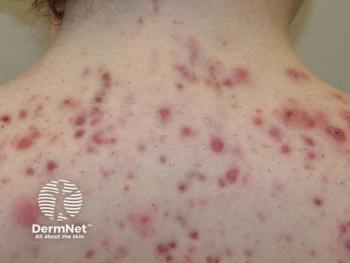
Derrick is a board-certified pediatric dermatologist and a former pediatric endocrinologist, a background that strongly informs her approach to adolescent dermatology. During her MOPD presentation and Dermatology Times interview, she emphasized that while acne is ubiquitous during puberty, certain patterns should prompt clinicians to think beyond standard topical or antibiotic regimens. Puberty-driven androgen activity is central to acne pathogenesis, and although most adolescents do not require endocrine evaluation, a subset of patients benefit from a more holistic assessment.
Among young women, Derrick stated polycystic ovary syndrome (PCOS) is the most common endocrine condition associated with persistent or severe acne. Clinical clues include irregular menses persisting more than three years after menarche, hirsutism, obesity, acanthosis nigricans, or acne that is severe, truncal, or resistant to therapy. In these cases, collaboration with gynecology, endocrinology, or primary care may be appropriate. Derrick notes that when laboratory testing is pursued, a first-morning total testosterone level measured by mass spectrometry provides the most reliable initial assessment. Importantly, she cautions that normal serum androgen levels do not rule out hormonally driven acne, as androgen activity within the skin is not directly reflected by circulating levels.
This understanding directly informs treatment selection. In women, hormonal therapies are an important component of acne management. Combined oral contraceptives decrease ovarian androgen production, increase sex hormone–binding globulin, and reduce androgen effects at the pilosebaceous unit. Spironolactone, an androgen receptor antagonist increasingly used in dermatology, further targets sebum production and androgen signaling. Derrick highlighted how her perspective on spironolactone evolved over time, shaped by both emerging literature and shared clinical experience within dermatology, leading to greater comfort with its use in appropriately selected adolescent patients.
For both women and men, topical antiandrogen therapy has expanded available options. Clascoterone cream, applied twice daily, works locally at the androgen receptor and avoids systemic hormonal effects. Its favorable tolerability profile and modest reductions in sebum production make it a useful adjunct in adolescent acne regimens.
Beyond medications, Derrick underscored the relevance of metabolic health. Insulin resistance and high-glycemic diets can amplify androgen signaling and worsen acne severity. Dietary approaches such as a low-glycemic or Mediterranean-style diet may provide additional benefit alongside pharmacologic therapy.
Recognized at MOPD 2026 for her contributions as a rising leader in pediatric dermatology, Derrick’s work highlights an evolving approach to acne care—one that integrates hormonal insight, thoughtful evaluation, and individualized therapy to better address the needs of adolescent patients.
Newsletter
Like what you’re reading? Subscribe to Dermatology Times for weekly updates on therapies, innovations, and real-world practice tips.
Advertisement
Related Content
Advertisement
Latest CME




Advertisement
Advertisement
Trending on Dermatology Times
1
AbbVie Files for Vitiligo Indication, Putting Systemic Therapy Under Regulatory Review
2
UCB Presents 3-Year BE HEARD Trial Results for Bimekizumab in Moderate-to-Severe HS
3
Sagimet and Ascletis Report Positive 52-Week Safety and Efficacy Data for Denifanstat in Acne
4
World Cancer Day 2026: La Roche-Posay and ONS Partner to Launch Skin of Color Toxicity Repository
5