

News|Articles|December 11, 2025
Global Hidradenitis Suppurativa Atlas (GHiSA) Finds HS Affects 1% of the World's Population
Author(s)Marie Bosslett, Assistant Editor
Listen
0:00 / 0:00
Key Takeaways
- Hidradenitis suppurativa affects 1% of the global population, highlighting its under-recognition in health policy and need for increased awareness.
- The study used a standardized methodology, confirming higher prevalence in females but no significant links to BMI, smoking, or socioeconomic factors.
A new global study reveals hidradenitis suppurativa affects 1 in every 100 people, highlighting the need for increased awareness and improved health care strategies.
Advertisement
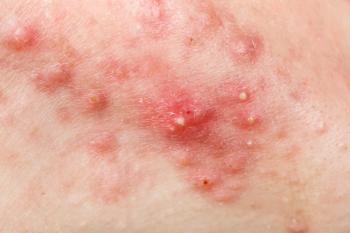
A groundbreaking international study has revealed that hidradenitis suppurativa (HS) affects 1% of the world’s population, or roughly 1 in every 100 people, making it more common than previously believed.1 These findings position HS alongside other major chronic inflammatory diseases such as rheumatoid arthritis, still remaining dramatically under-recognized in global health policy.
Background
Despite the substantial clinical and psychosocial HS, global epidemiologic estimates have been limited by inconsistent methodologies, variable diagnostic approaches, and region-specific biases. This published meta-analysis, conducted by the Global Hidradenitis Suppurativa Atlas (GHiSA), represents the first systematic attempt to determine the global point prevalence of HS using a fully standardized, population-based methodology with clinical confirmation of all cases.
GHiSA's project is funded by a grant from the International League of Dermatological Societies (ILDS) with support from UCB. It forms part of the ILDS’ Grand Challenges in Global Skin Health initiative, which also supports the development of Atlases for Psoriasis, Atopic Dermatitis, and Vitiligo. 2
In a statement, ILDS president Henry W. Lim, MD, shared his thoughts. “Skin disease places a major burden on populations around the world, which is why our Grand Challenges in Global Skin Health initiative, which includes GHiSA, is so vital. We’re delighted to collaborate with the GHiSA team and congratulate them on the publication of this important study. We hope it proves a turning point in treatment for this distressing disease.”2
Methods & Results
The meta-analysis included 25 studies from 23 countries spanning 6 continents, representing 22,743 screened participants and 247 confirmed HS cases. All participating studies used the harmonized GHiSA protocol, which involves population-based sampling, screening using a validated questionnaire, and mandatory clinical confirmation of HS. Extracted variables included age, sex, body mass index (BMI), smoking status, and country-level socioeconomic indicators such as gross domestic product (GDP) and Human Development Index (HDI). The median age of patients was 34.5 years.
The pooled global prevalence of HS was 0.99% (95% CI, 0.67%–1.46%), surpassing previous global estimates typically cited between 0.1% and 0.4%. Female sex emerged as the only factor significantly associated with higher HS prevalence (β = 1.02; 95% CI, 1.01–1.03). Although prior literature has suggested associations between HS and high BMI, smoking, and socioeconomic disadvantage, these factors did not demonstrate significant associations in this standardized multinational dataset. Similarly, there was no clear relationship between HS prevalence and socioeconomic indicators (GDP or HDI), which could be related to genetic susceptibility, environmental exposures, or health care system–related differences like awareness, access, and diagnostic practices.
Professional Insight
GHiSA General Secretary, Dorra Bouazzi, MD, PhD, spoke to Dermatology Times about the news. "For the first time, we have a global, standardized estimate of how common HS really is. Our analysis confirms that HS affects far more people than previously thought, and this has profound implications for awareness, screening, and resource allocation,” she said.
Gregor Jemec, MD, DMSci, professor of dermatology at the University of Copenhagen and Chair of GHiSA, added, “This is a unique collaboration that allows direct pooling of standardized data actively collected in an identical manner. The GHiSA studies are a powerful example of a mutually committed global academic collaboration and should form the foundation of meaningful change in how HS is recognized and ultimately managed worldwide.”2
"When health systems understand the true number of patients living with HS, it becomes much easier to justify specialized clinics, multidisciplinary care, and access to advanced therapies. Our study provides the evidence base needed to support this expansion of care, especially in regions where HS services are currently minimal or absent,” Bouazzi concluded.
Next Steps
GHiSA will now advance to the next phase of research, hoping to establish globally agreed-upon diagnostic criteria anchored in high-quality population data. Furthermore, the lack of consistent associations with modifiable risk factors such as BMI and smoking in this global dataset emphasizes the complexity of HS pathogenesis and the need for more nuanced research. Phase 3 of the program will investigate phenotype–genotype relationships, comorbidities, and environmental contributors to disease expression.
References
1. Bouazzi D, Nielsen SM, Hagan PG, et al. Prevalence of Hidradenitis Suppurativa: A Meta-Analysis of Global Hidradenitis Suppurativa Atlas Studies. JAMA Dermatol. Published online August 27, 2025. doi:10.1001/jamadermatol.2025.2373
2. First Global Prevalence Study into Hidradenitis Suppurativa reveals need for urgent action from policy makers GHiSA study confirms prevalence higher than previously thought. News release. International League of Dermatological Societies. Published December 3, 2025. Accessed December 11, 2025.
Newsletter
Like what you’re reading? Subscribe to Dermatology Times for weekly updates on therapies, innovations, and real-world practice tips.
Advertisement
Related Content
Advertisement



Latest CME







Advertisement
Advertisement
Trending on Dermatology Times
1
FDA Accepts Galderma’s BLA Resubmission for Liquid Neuromodulator RelabotulinumtoxinA
2
AbbVie Files for Vitiligo Indication, Putting Systemic Therapy Under Regulatory Review
3
Introducing Dermatology Times NP/PA Connect
4
Icotrokinra Shows Superior Efficacy Over Advanced Oral Therapies in New Psoriasis Meta-Analysis
5